By Phil Jackson
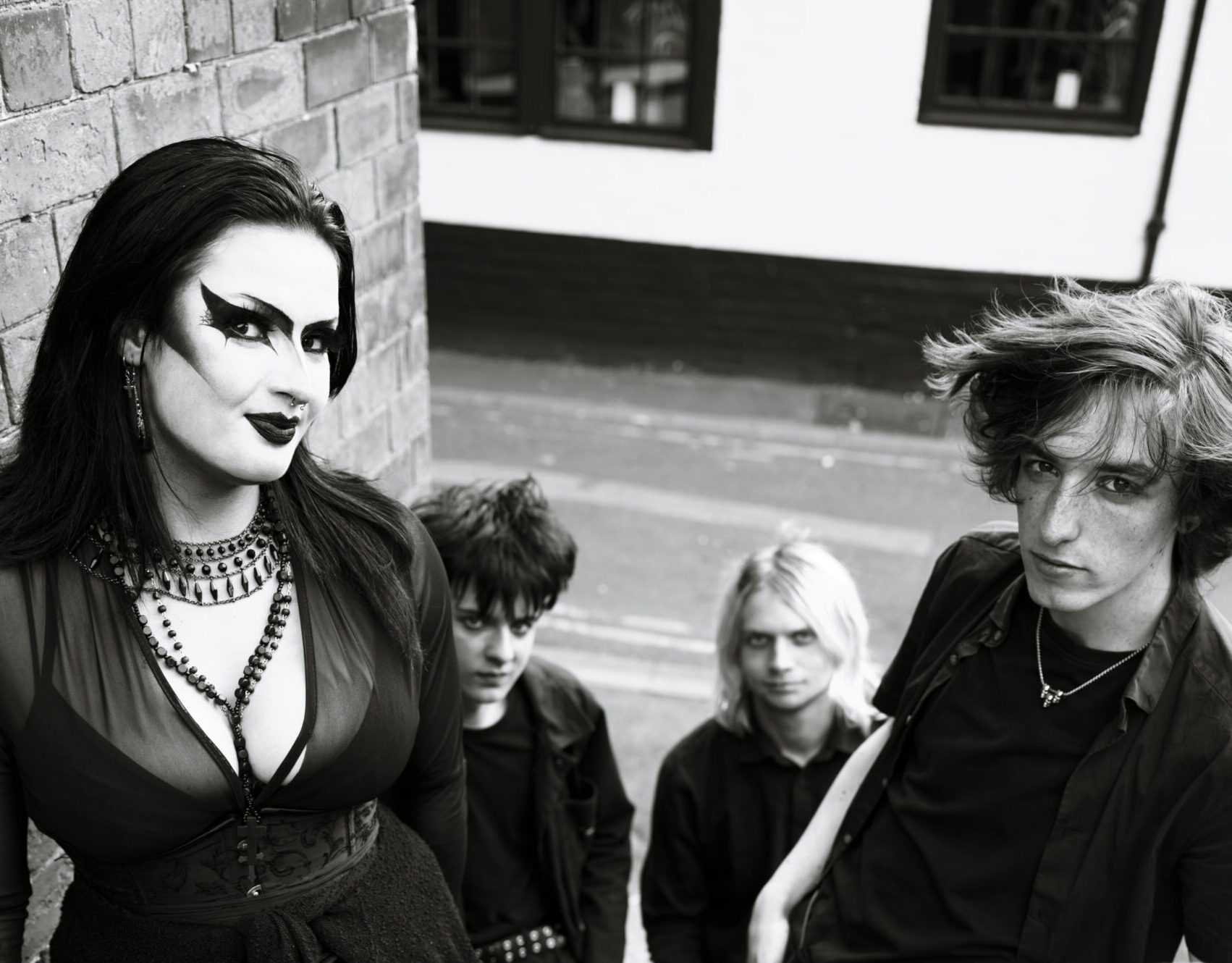
Fresh off the back of working with The Black Rain for their debut LP, and from the recommendation of their Bassist, Scott; I was given the task of producing up and coming Post-Punk purists Social Youth Cult.
Whilst their influences are very apparent and albeit similar, their approach and end goal for this record was worlds apart.
Before producing the album with Social Youth Cult, I had previously done Live Sound for them on two occasions; at a Bunker gig, and Roulette Festival, so I knew what they were about in advance of the recording – their music style and dress sense was a dead giveaway.
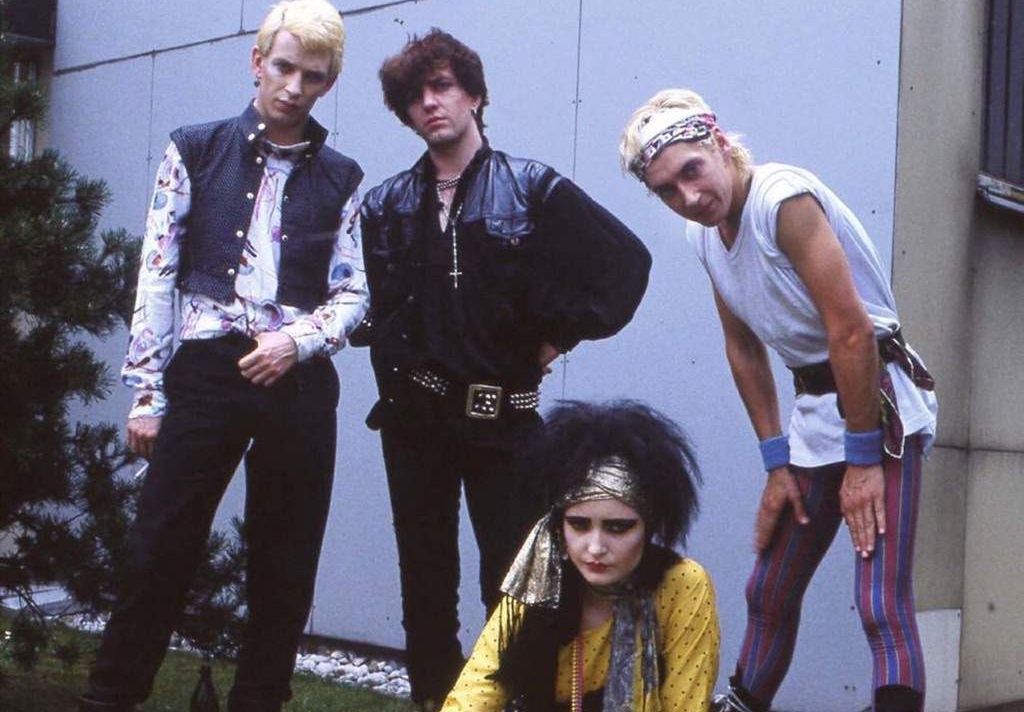
We’d discussed the approach to the recording and what their vision was, and what we all agreed on was an album that felt like it belonged in a time when post-punk first began, we cited albums such as The Scream by Siouxsie & the Banshees, In A Flat Field by Bauhaus, and both Unknown Pleasures and Closer by Joy Division as main influences for the vibe, recording techniques, and mixing reference.
Drums
For drums, though the aforementioned artists had a different approach to recording them, (choosing to record cymbals separately from the toms and snare), this seemed impractical as we also wanted to maintain an almost live feel to a lot of the songs, such as Man In the Photo – which the band said they wrote during a jamming session – and Venus, which feels like a full band performance rather than a slow build of progressively more guitars, like in their song Dead Space.
I also used an old trick from my production infancy days, using a piano with the sustain pedal constantly on and placing a mic inside, as a means of capturing the reverb from the string ringing out in unison after a drum was hit. This is most noticeable at the end of Man In The Photo; after the vocal finishes, you can hear a dissonant rumbling from the piano still reverberating from the last hit of the drums. I also chose to minimise drum sampling where possible, choosing to mix drums as close to what seemed appropriate to the musical era we were striving for.
Bass
Bass was the only time I played it safe with the recording, opting for a DI signal from both the Bass guitar and the distortion pedals (courtesy of Black Rain’s Scott Hays). This gave me more freedom to blend either sound to what suited the song. A lot of the unnerving background sound effects created were from pick scrapes from the bass and guitar, on occasion using the flattened edge of a ten pence piece to really dig into the ridges of the lowest bass string.
Social Youth Cult
Guitars
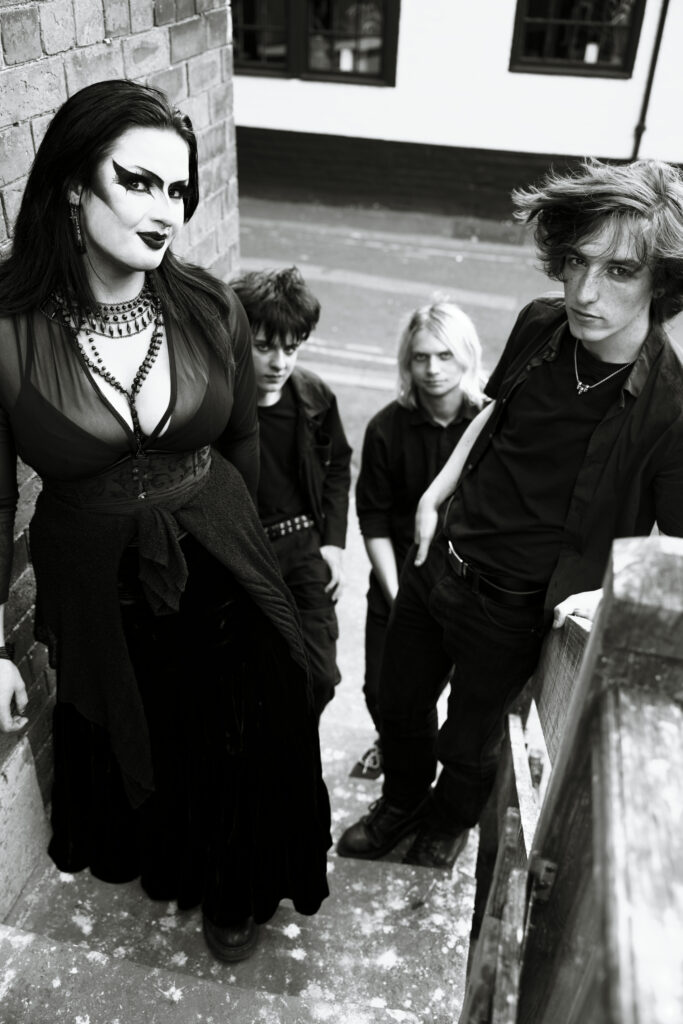
The guitars were very interesting; I avoided using room mics as was custom in a lot of late 70s and early 80s recordings, and instead opted for using different reverbs in guitar pedals to suit each song separately.
However, my approach to the amp selection was based on my music history knowledge, as I knew the Bauhaus guitar tone from In A Flat Field was likely a Fender Telecaster which would create a very piercing and trebly tone, as well as John McKay’s tone from The Scream coming from a Les Paul into a Fender Twin. I decided use the Fender Deluxe I had on hand, with the Bass knob of the amp near enough turned all the way down, and the Middle and Treble knobs never set below 12 o’clock. In some cases I even had an EQ pedal set to increasing the treble even further to create an angular and aggressively grating tone.
Producer Phil Jackson in the studio
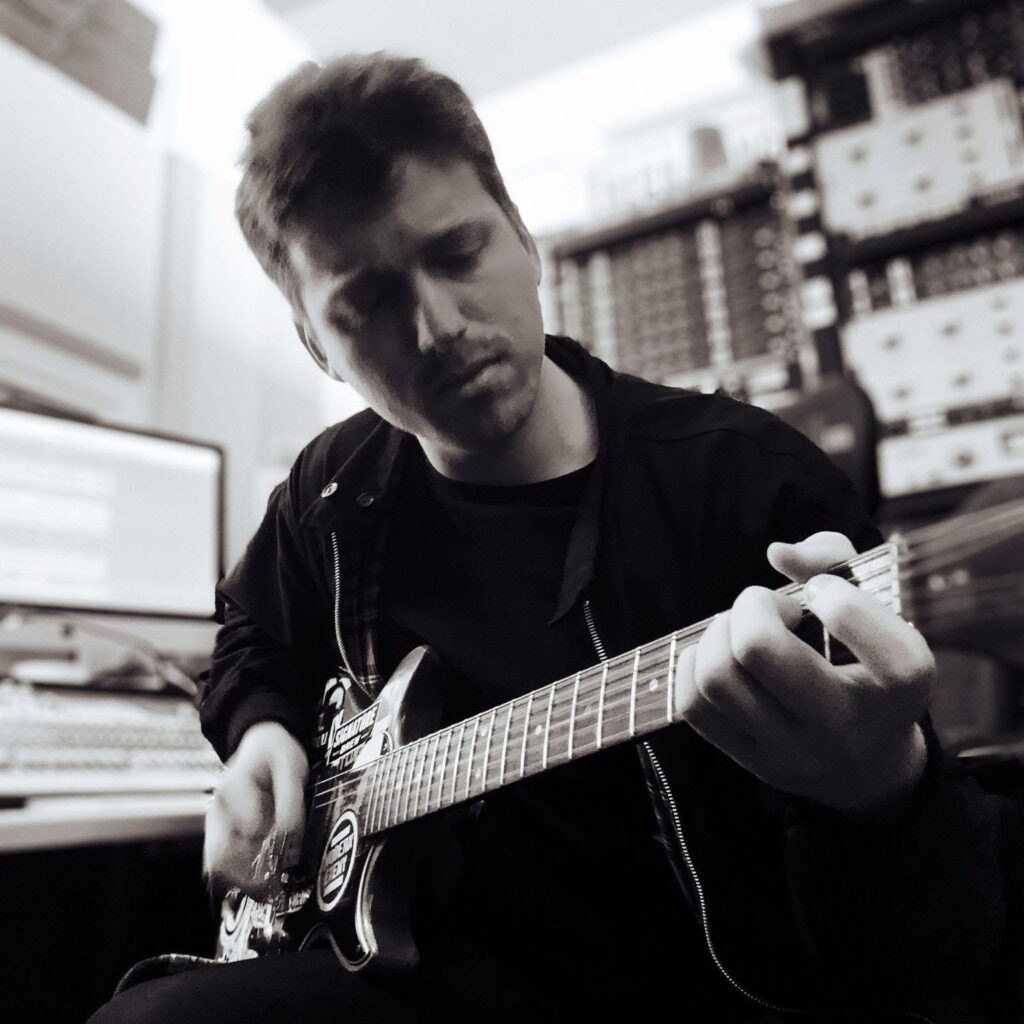
Guitarist Holly stated that she primarily uses Marshall amps for live shows, however this went against my direct album influence for this project. As a happy medium we used a Marshall JCM800 pedal available in the studio into the Fender Deluxe which worked out well as I vaguely remember John McGeoch of later Siouxsie albums using a Marshall, which was actually a JCM800.
Vocals
The vocal style on the record changes from song to song, but stays consistent in the sense that the vocals are either mimicking Ian Curtis, Peter Murphy, or from what I could tell, Sisters of Mercy vocalist Andrew Eldritch, so to complement these clear influences I tried not to compress as much as I do on my other projects, helping create the feeling of a retro vocal recording, as well as the use of a very prominent short digital room reverb, noticeable in Bauhaus’ Bela Lugosi’s Dead and Joy Division’s Heart and Soul. These are the vocal sounds I associate with ‘Goth’ music.
I also took liberty in using Martin Hannet’s pitch/time-shifting vocal delay effect from Joy Division’s She’s Lost Control on the song Close To Nothing, the short vocal reverb previously mentioned was also heavily used for the bass guitar sound on this song.
The deep choir vocal on the song She’s Dread was directly influenced by both The Banshees song Israel, and New Order’s Blue Monday – the latter of which being the name of the preset used in the Arturia Analog Lab library of synth sounds. Everything that we could do practically however, we did, the synth choir from She’s Dread and explosive sound effects in Dead Space created with a car crash sound effect from the Logic loop library and lathered in excessive amounts of reverb being the only exceptions.
Siouxsie & The Banshees, an influence
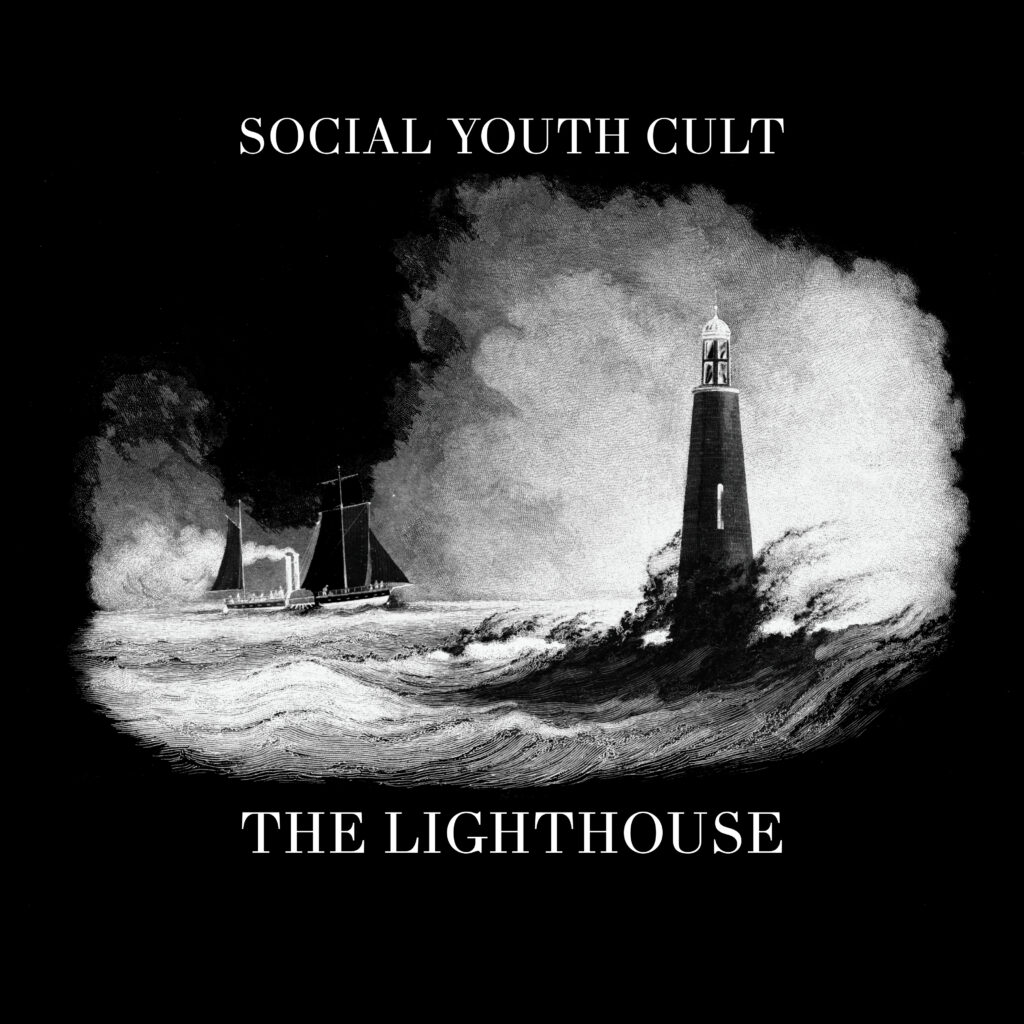
The long deep droning layered within the track The Lighthouse is the deepest notes on a piano all played at the same time and held for around forty seconds, then time stretched to be five minutes long, dropping the pitch by around two to three octaves, creating an unnerving sub-bassy atmosphere. This was to create the vibes of being surrounded by waves, under the sea even.
Slight slap-back delay on the tom rim hits of the drums on The Lighthouse again employed from the influence of Bela Lugosi’s Dead.
Overall
This whole project was a labour of love for both parties, the band and myself, this was the first time in a long time where I’ve been able to actively recreate my more niche influences and apply knowledge that lies dormant a lot of the time when working with young bands, but with Social Youth Cult this was a different story, they understood what they were creating was a piece of art. Rather than just a young band’s first attempt at writing a few songs and making an album, this was methodically thought out, and I could see it clearly. It was a pleasure working on this album. I would say it is a project I am honoured to have been a part of, but I don’t consider this album to be a just a record, this is what I see as art, and it’s projects like this that make me enjoy my job as a producer/engineer.
Follow Social Youth Cult on Instagram
Listen to the album here:
Read Scott Hays’ review of the album here:
https://www.ganon.co.uk/wp-admin/post.php?post=479&action=edit